Best Time to Climb Kilimanjaro
Kilimanjaro’s Seasons
Selecting the ideal time to climb Mount Kilimanjaro is a critical decision that enhances safety, enjoyment, and the likelihood of reaching the summit. At Maasai Spirit Expedition, under the experienced leadership of our guides, we recognize that timing significantly influences weather conditions, trail traffic, and overall success rates. Positioned near the equator, Kilimanjaro experiences a distinctive climate characterized by two dry seasons and two wet seasons, each presenting unique opportunities depending on your preferences and objectives. This page provides a comprehensive guide to the best periods for climbing, an analysis of seasonal weather patterns, and essential factors to consider, ensuring you’re fully equipped to plan your ascent to the Roof of Africa with us.
Overview of Kilimanjaro’s Seasons
Kilimanjaro’s weather is shaped by its equatorial location and dramatic elevation, which spans five distinct climate zones from tropical rainforest to arctic summit conditions. Tanzania’s annual climate cycle features two dry seasons and two wet seasons that define the climbing calendar. The long dry season runs from June to October, followed by a short wet season from November to December. The short dry season occurs from January to March, with the long wet season spanning April to May. While Maasai Spirit Expedition operates expeditions throughout the year, the dry seasons are generally considered the most favorable for climbing due to their stable and predictable conditions.
Best Time to Climb Kilimanjaro (Dry Seasons)
June to October – Peak Climbing Season
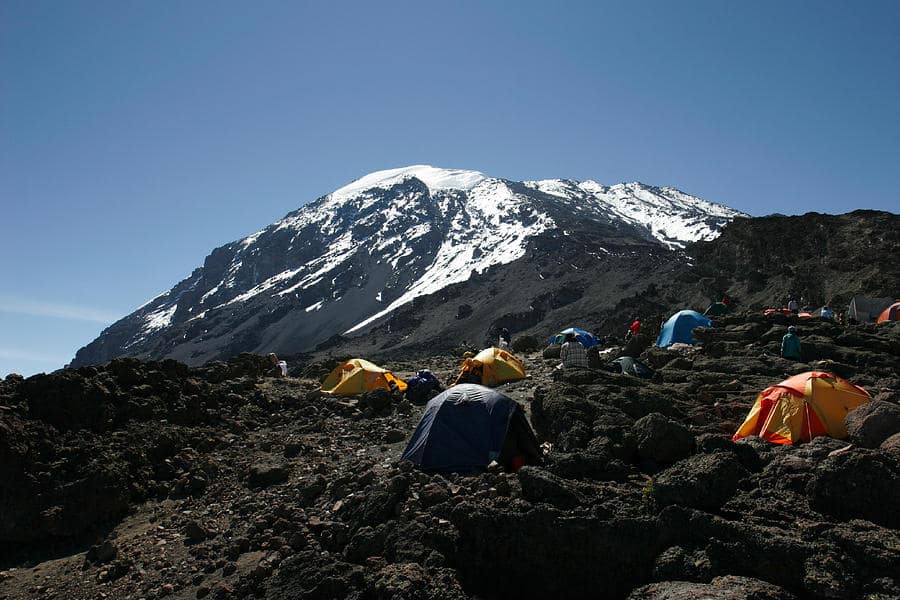
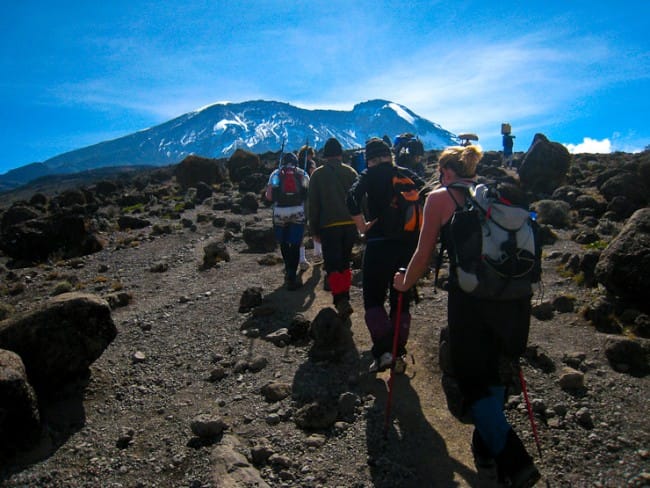
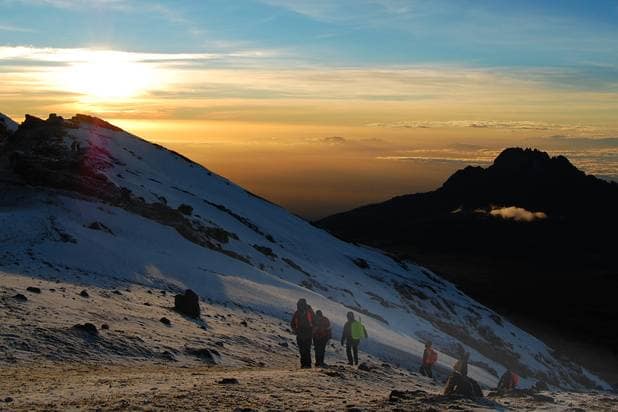
The most popular time to climb Kilimanjaro is during the long dry season from June to October. This period offers stable weather conditions, clear skies, and excellent visibility.
Temperatures range between 20–27°C at lower altitudes and can drop to -20°C at the summit. These conditions make it ideal for scenic trekking and photography.
Due to high demand, trails such as the
Marangu Route and Machame Route
tend to be busy, especially in July and August.
If you’re planning your climb during this period, it’s advisable to explore all available
Kilimanjaro climbing routes
and book early.
From January to March
From January to March, the short dry season offers another excellent window for climbing. This period brings warmer temperatures, with daytime lows reaching 25-30°C (77-86°F) at the base and -5°C to -15°C (23°F to 5°F) at the summit, alongside mostly clear skies. Occasional brief showers may occur in March, but conditions remain largely stable. With fewer climbers than the peak season, this time provides a quieter experience and is well-suited for those seeking solitude and flexibility. The warmth and reduced traffic make it an appealing choice for routes like Lemosho or the Northern Circuit, and Maasai WildCulture Adventures ensures a seamless trek with tailored support during this secondary peak season.
Other Times to Climb
November to December – Short Rainy Season
This shoulder season brings occasional rainfall, mostly in the afternoons. While trails may be muddy, the mountain is quieter and more scenic with lush landscapes.
Climbers during this period should review a proper
Kilimanjaro packing list
to prepare for wet conditions.
April to May – Long Rainy Season (Low Season)
This is the least popular time due to heavy rainfall and challenging trekking conditions. However, it offers solitude and lower costs.
Only experienced trekkers should consider climbing during this season. It’s also important to understand altitude-related risks through trusted resources like Centers for Disease Control and Prevention.
From April to May
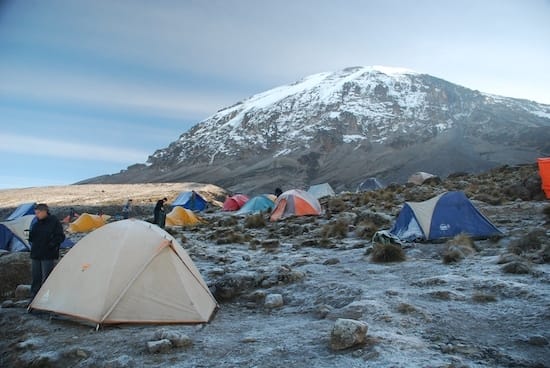
From April to May, the long wet season marks the off-season for Kilimanjaro. Heavy, consistent rainfall dominates, with daytime temperatures of 20-25°C (68-77°F) at lower levels and -10°C to -20°C (14°F to -4°F) at the summit, often accompanied by cloud cover and snow at higher elevations. This period offers the fewest climbers, vibrant landscapes, and the lowest rates, appealing to those craving solitude. Yet, the wet, slippery trails and cold summit conditions present significant challenges, increasing the risk of delays or altitude issues. It’s best suited for seasoned adventurers, and Maasai Spirit Expeditions’ team ensures safety and preparedness, though prior trekking experience is recommended for this rugged time.
Key Factors to Consider
Several factors should guide your timing decision. Acclimatization is critical, and longer routes like the 8-9 day Northern Circuit benefit from dry seasons, allowing gradual altitude adjustment and boosting summit success — Maasai Spirit Expedition achieves over 95% success rates during these periods. Trail crowds vary significantly; peak seasons see 100-150 climbers daily on routes like Marangu, while off-seasons drop to 20-50, ideal for those seeking a quieter ascent. Route choice also matters — Marangu’s huts offer shelter in wet seasons, whereas tented routes like Lemosho or Rongai thrive in dry weather; our team can help align your timing with the perfect path. Fitness and experience influence suitability, with dry seasons accommodating all levels and wet seasons demanding greater resilience.
Weather Conditions
For global climate insights, refer to World Meteorological Organization.
Start Planning Your Kilimanjaro Adventure
Choosing the right time to climb Mount Kilimanjaro directly impacts your experience, from trail conditions to summit success. Whether you prefer the clear skies of the dry season or the quiet atmosphere of the rainy months, proper planning is essential for a successful trek.
At Maasai Spirit Expedition, we guide you through every step from selecting the best route and season to preparing you physically and mentally. Explore our routes, compare packages, and begin your journey to Uhuru Peak with a trusted local team. Book Now